

You don't need to be famous to be a podcast guest. You need something to say.
That surprises a lot of people. They assume podcasts are for well known names and seasoned speakers. But the podcast market is big, and it keeps growing. That means more room for people with genuinely unique stories, including people who have never been interviewed before.
In fact, first time guests are some of our favourite clients to work with.
Credit: Pexels Darien Johnson
Two kinds of first time guest experts
Most first time guests fall into one of two groups.
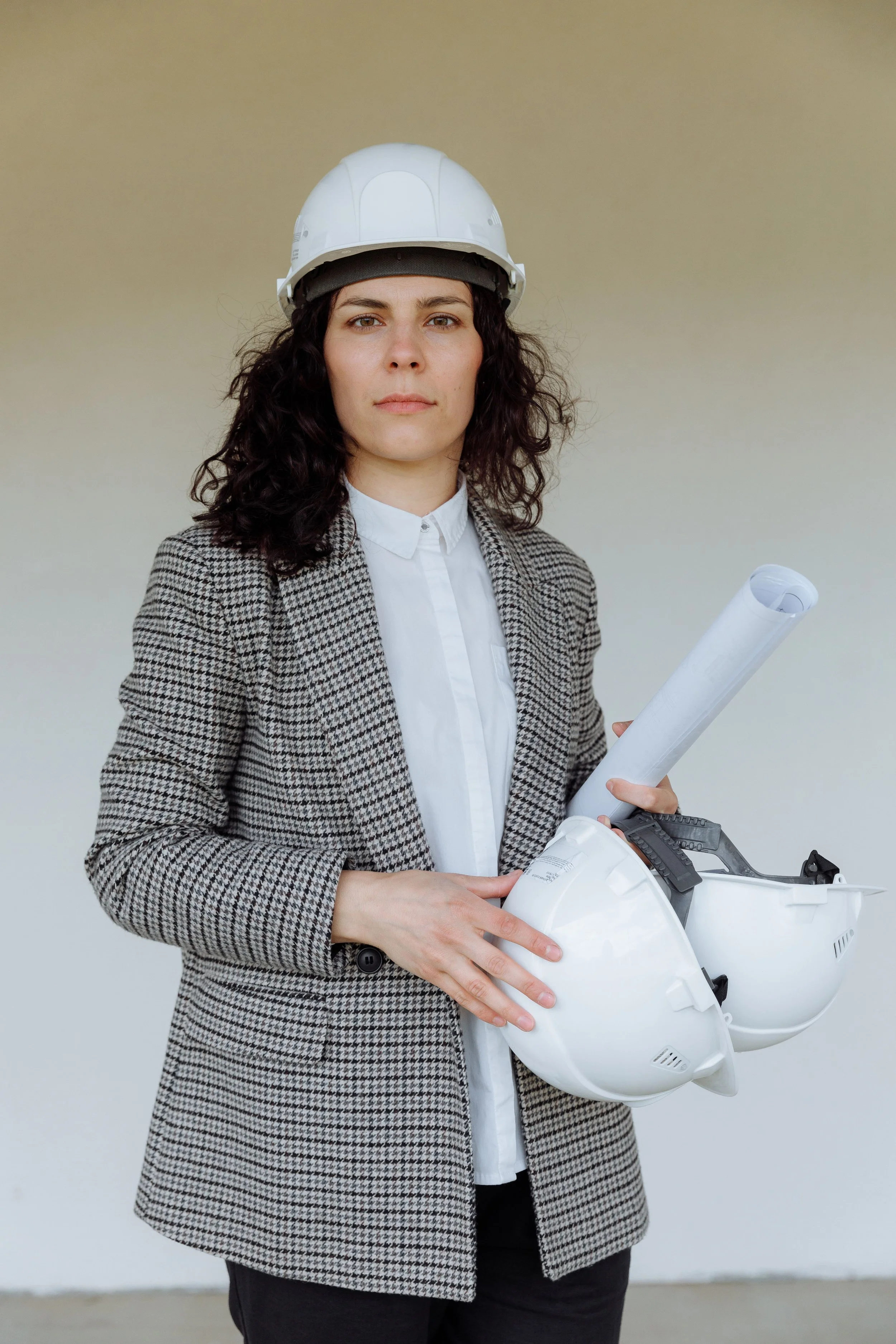
People who are new to speaking and no media profile. For example, a female construction professional with specialist expertise and an adversity story, she has a story worth hearing. As part of the marketing mix, speaking on podcasts could help raise her industry profile, the projects she’s attracting and grow her business. A podcast is a different kind of speaking opportunity, and often an easier one to start with. Instead of a few minutes on radio or TV, it's a longer conversation with no pressure to perform and can be found easily at any time.
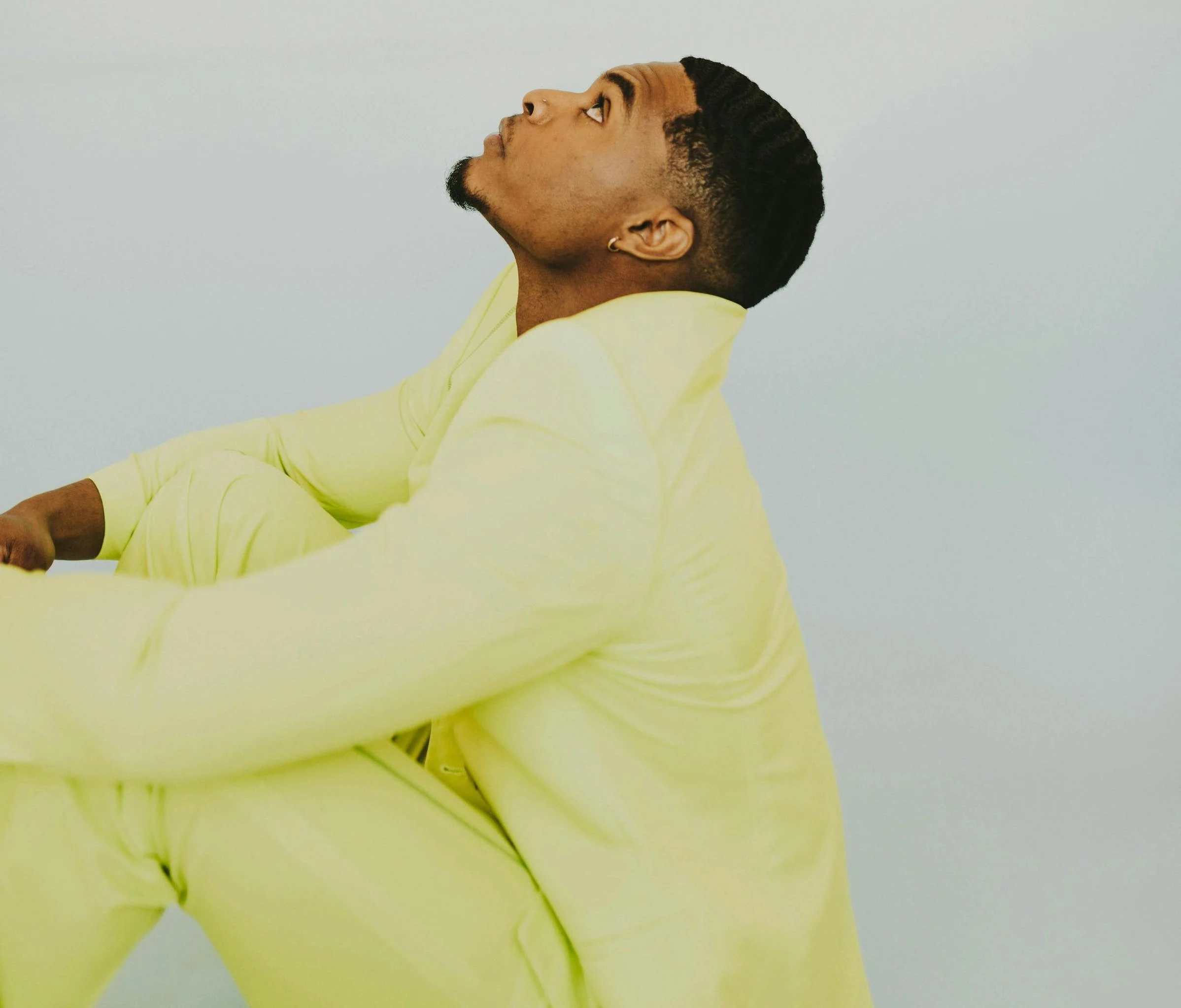
People who are new to podcasts, but already have a strong media profile. For example, a male model and fitness entrepreneur. He’s used to TV and radio, but he’s never been on a podcast. For him, a podcast offers something different. It's more relaxed, and there's usually less of a fixed agenda. There's time to dig into a topic instead of chasing a snappy soundbite. He can simply be himself and talk about what matters to him. Audiences can get to know him properly.
What first time guests actually worry about
You might expect the biggest worry to be "am I expert enough?" In my experience, it's much more practical than that.
The first question is usually whether the interview is in a studio or remote. People want to know where they'll be, how they should show up and how they'll look. If it's remote, they worry about having the right equipment at home. That's especially true for people who don't think of themselves as technical.
These are fair questions, and they're easy to solve. How you look and come across is covered in our podcast training, which I'll come back to below. We also recommend a few useful purchases that make appearing on podcasts easier. You don't need a professional studio in your spare room.
Who is ready to start
The first time guests who do best are the ones who are open to trying something new. They can see that podcasting is growing. They want to break away from where everybody else is, rather than compete for the same few slots as everyone in their field.
It might feel a bit messy at first. That's normal. Like any skill, it gets better with practice. The more podcasts you do, the more natural it feels. And the difference between your first episode and where you are a year later is often striking.
What a year can look like
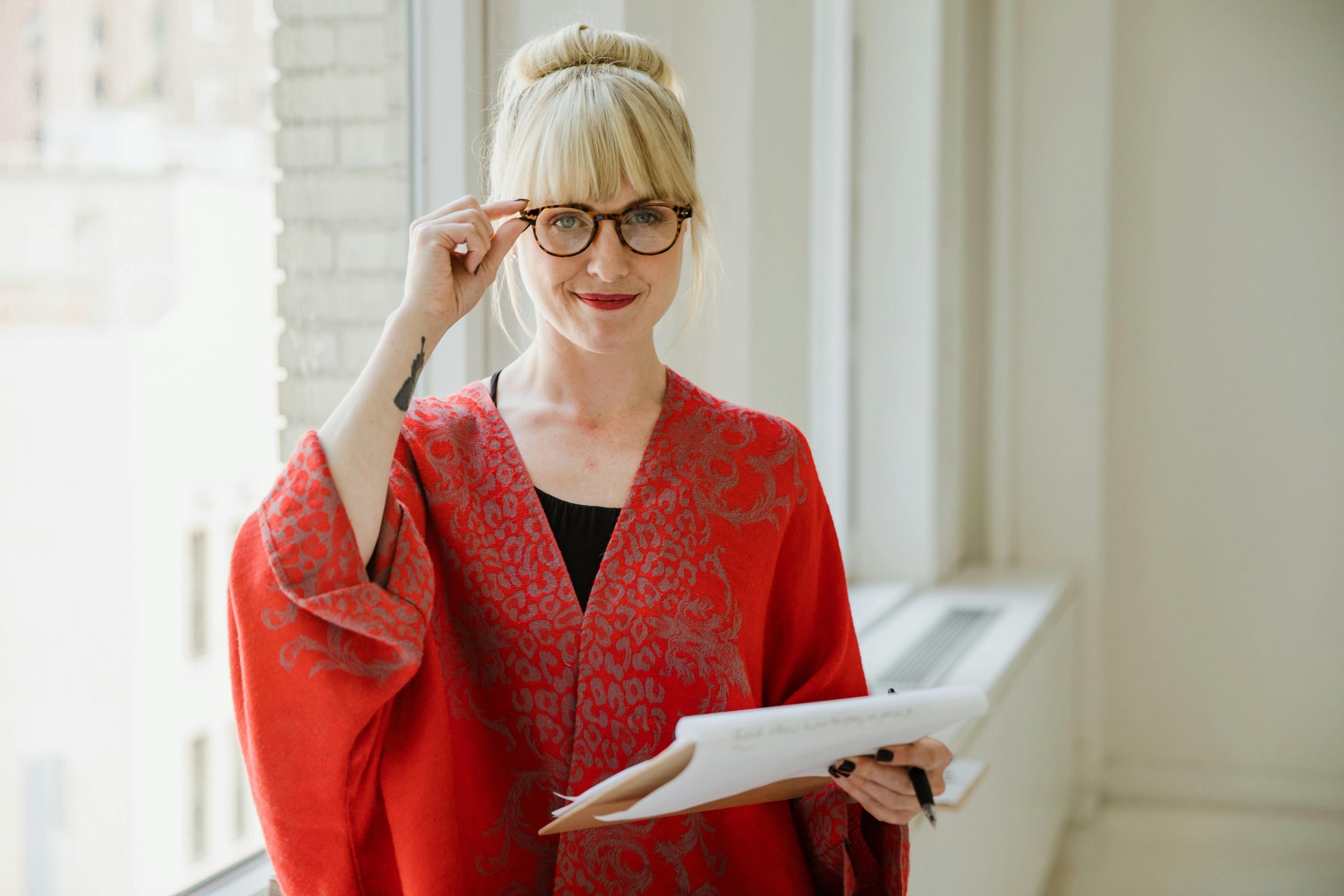
One of my clients is a solicitor who had no podcast profile at all when we started. A year later, she had appeared on 15 podcasts, both remote and in person.
She just got on with it. We started with smaller podcasts and built up from there. Every episode adds to her bank of appearances, so more people can find her. And each one keeps working for her long after it's recorded.
A small podcast is not a small opportunity, either. Even 100 listeners is a room of 100 people who chose to hear what you have to say.
Credit: Pexels, RDNE
Preparation from day one
This is why we now offer Podcast Preparation and Training. For first time guests, it comes in right at the beginning, before your first podcast. That way you go into your first interview prepared, knowing how you want to come across, and ready to make the most of it.
Thinking about your first podcast?
If you have something to say but have never been on a podcast, that's exactly where we can help.